Store vision, forecasting and commerce built around your POS and ERP
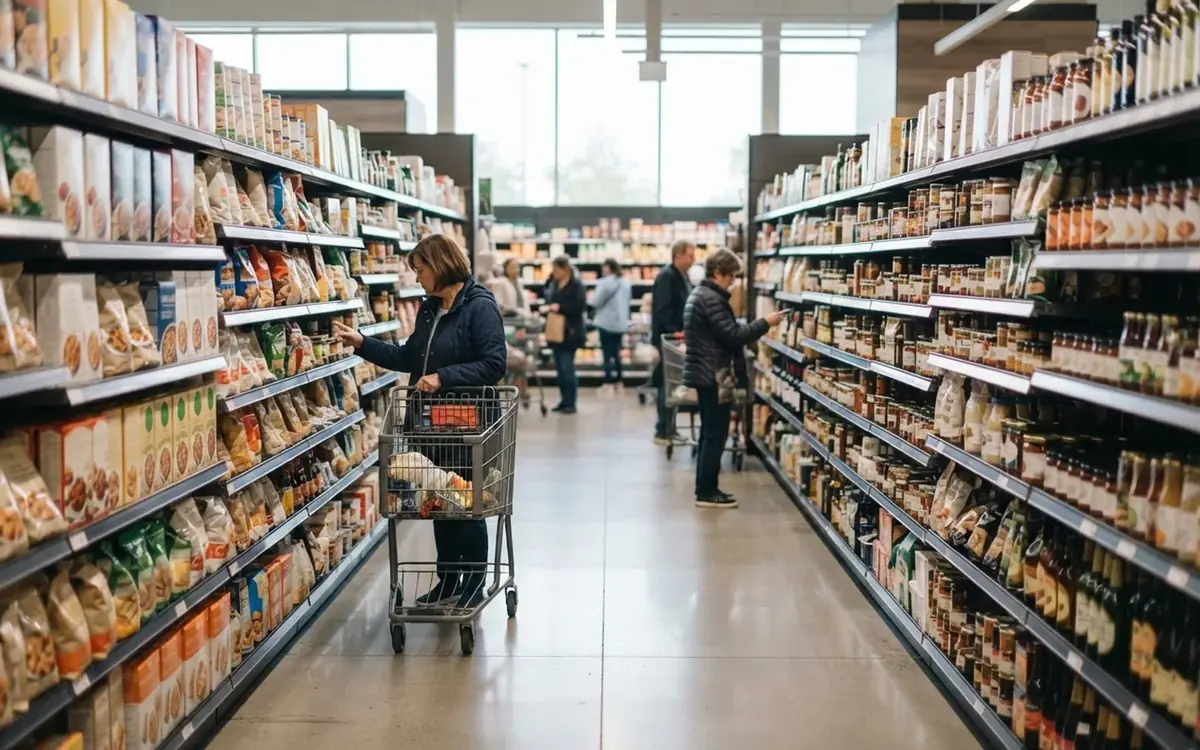
The join is the hard part of retail data. Footfall from CrowdIQ, transactions from the POS, stock from the ERP and orders from the web store each key the same shop and product differently, so we first build the master data that lines them up by store, SKU and time interval. CrowdIQ itself runs on a small server inside the store, reads the RTSP streams from the IP cameras already installed, applies counting lines and zones drawn for that layout, and sends aggregate counts per interval, never footage. Conversion then becomes a real number: visitors in a zone against receipts from the same hour. Forecasting uses the same model of store, SKU and time, with promotions and calendar effects attached, so a replenishment recommendation and a dwell heatmap describe the same shelf in the same week.
Retail decisions tested on footfall, sales and forecast evidence
A layout change or new display is treated as an experiment: the changed store is compared with a matched store, over the same weeks, on footfall into the zone, dwell and the sales that followed, which shows whether the display sold product or simply drew people past it. Staffing rotas are built from the hourly footfall curve of each store rather than the regional average, so the queue at six o'clock is covered. Forecasts are judged per SKU class on accuracy and bias, because a model that runs a little high quietly fills the stockroom, and each replenishment recommendation shows the demand history and promotion effect behind it so a category manager can override it with reason. Demographic figures from CrowdIQ are aggregate estimates for a zone and an hour, never a record of a person.
Custom POS, loyalty and store apps deployed across formats and regions
A custom POS has one non-negotiable requirement: the till keeps selling when the network does not. Transactions are queued locally and synced when the connection returns, with stock and loyalty balances reconciled afterwards rather than blocking the sale. Receipt formats, tax and e-invoicing rules are configured per country, so opening in a new region is a configuration exercise rather than a fork of the code. Loyalty is built as a ledger of earned and redeemed points, which is what makes a disputed balance answerable. Rollout starts with one store of each format, since a flagship and a kiosk break in different ways, and the pilot produces the onboarding playbook used for the rest. Tills and handhelds are managed centrally so an update reaches every store overnight. The platform, the data and the playbook remain yours to run and extend.