Citizen portals and case systems built around existing government records
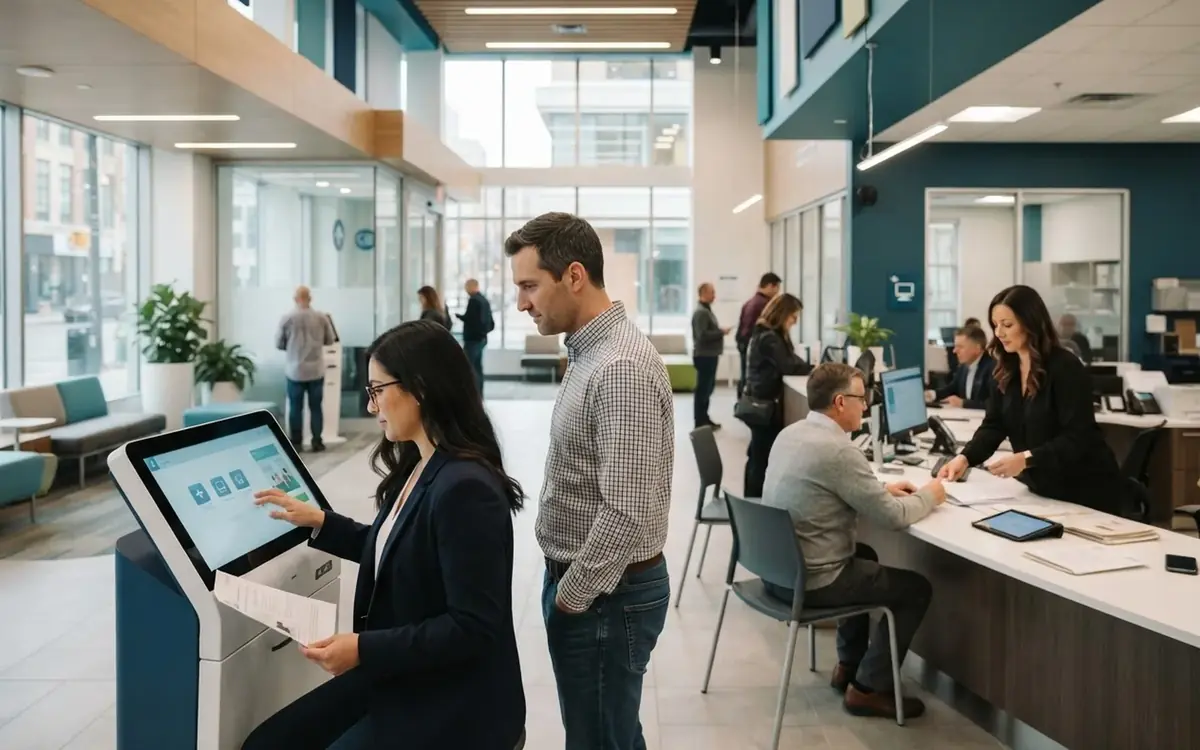
Government work starts with the registers that already exist: the licensing database, the identity service citizens sign in with, the finance system that must reconcile every payment and the records store with its retention schedule. A portal we build is a front door to those, so an application submitted online lands in the same case record a counter clerk would create, with the same reference number. Casework is modelled as explicit stages with owners, time limits and generated correspondence, so a manager sees where applications stall and a citizen sees where theirs is. Where a legacy system offers only an overnight extract, the portal is designed around that delay rather than pretending it is live. Interfaces meet WCAG accessibility standards in the languages your population uses, and hosting stays in the sovereign cloud or on-premise estate your policy requires.
Public sector automation that respects privacy and explains its decisions
Most backlog automation is preparation: reading scanned forms into fields, checking an application for missing documents before an officer opens it, matching a submission to an existing case and routing correspondence to the right team. The decision stays with a person, and the system records the recommendation and the evidence behind it, so a refusal can be explained in the applicant's file and defended at appeal. Analytics run on pseudonymised data with aggregation thresholds, so a dashboard never exposes an individual through a small group, and retention is enforced by scheduled deletion rather than policy documents. Before any model touches a citizen-facing process we test its behaviour across demographic groups and record the results in the data protection impact assessment, because a model that is accurate on average and unfair to one group fails the public.
Secure public infrastructure delivered with documentation and knowledge transfer
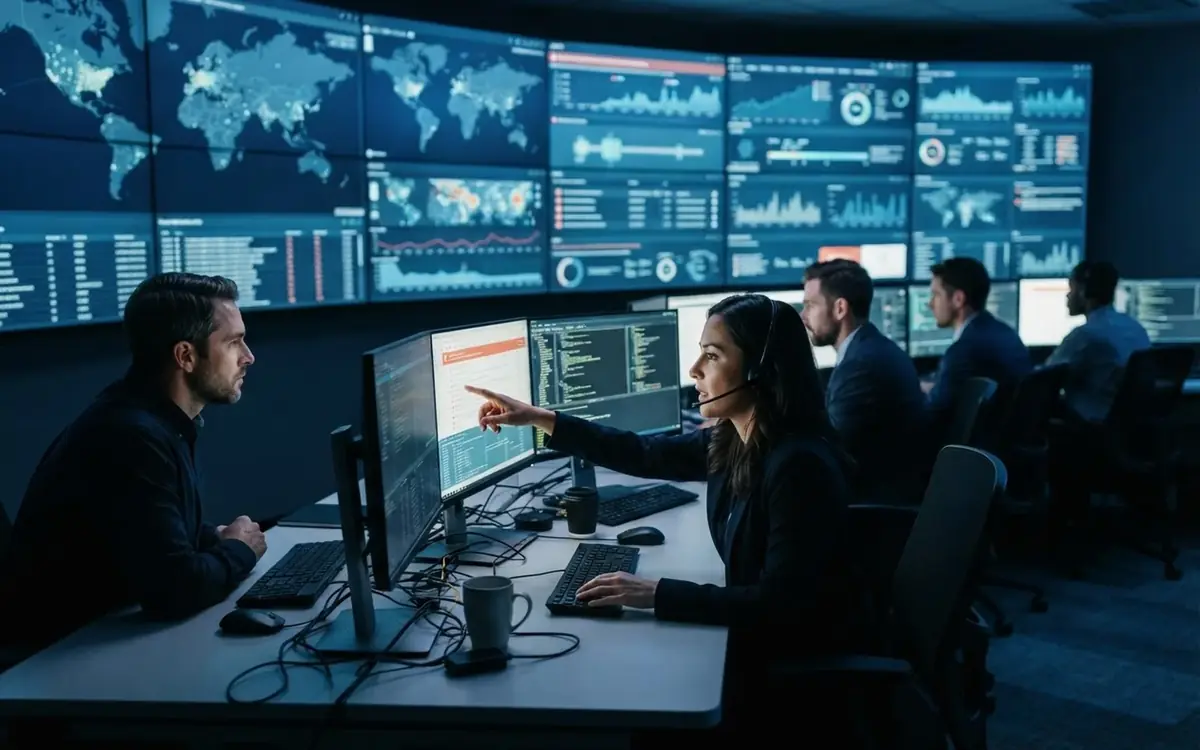
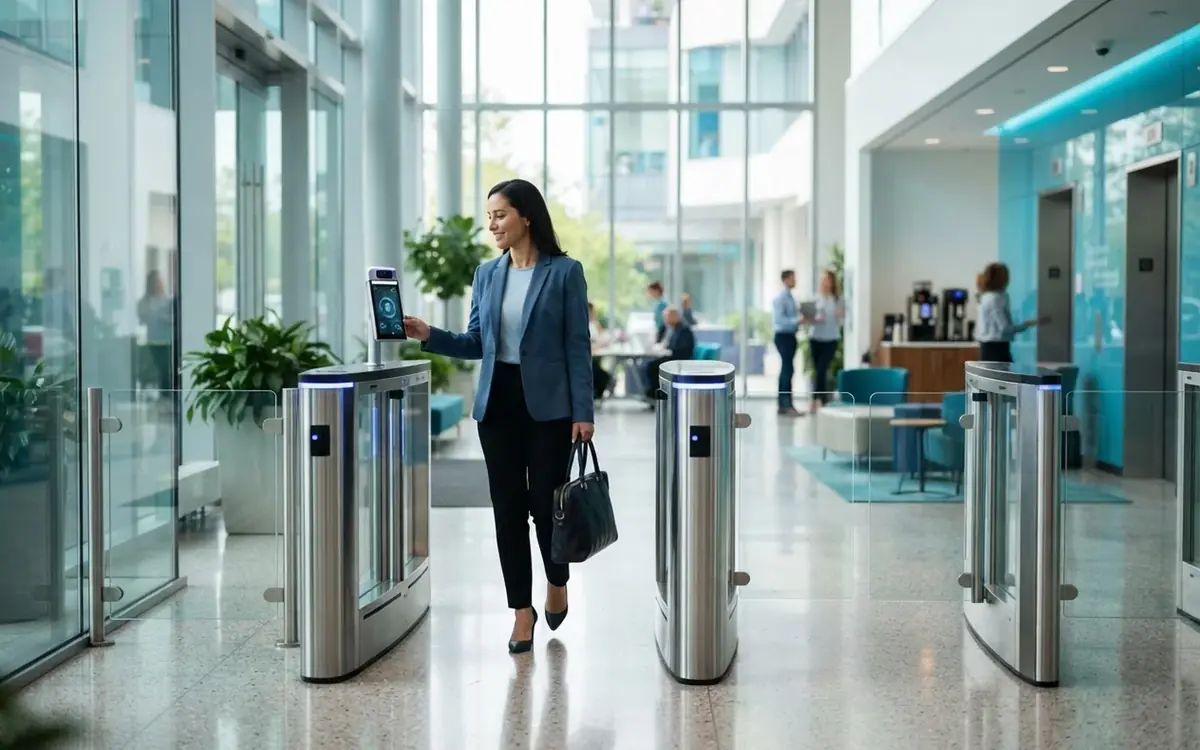
Before a public service goes live it is penetration tested, its controls are documented against the accreditation your body works to, and its monitoring is wired into the security operations you already run rather than a separate console nobody watches. Threat detection is tuned on your own traffic to keep alerts credible, and automated response is limited to well-understood actions such as isolating a host or revoking a session; anything broader needs a person to confirm. Logs are retained for the period oversight bodies require and produced as evidence on request. Delivery ends with the parts a contract often forgets: source code and documentation held by you, administrators trained to run the service, an exit plan naming what a successor would need, and support terms that keep the system patched after the launch team has gone.