Energy operations software that fits SCADA and works offline
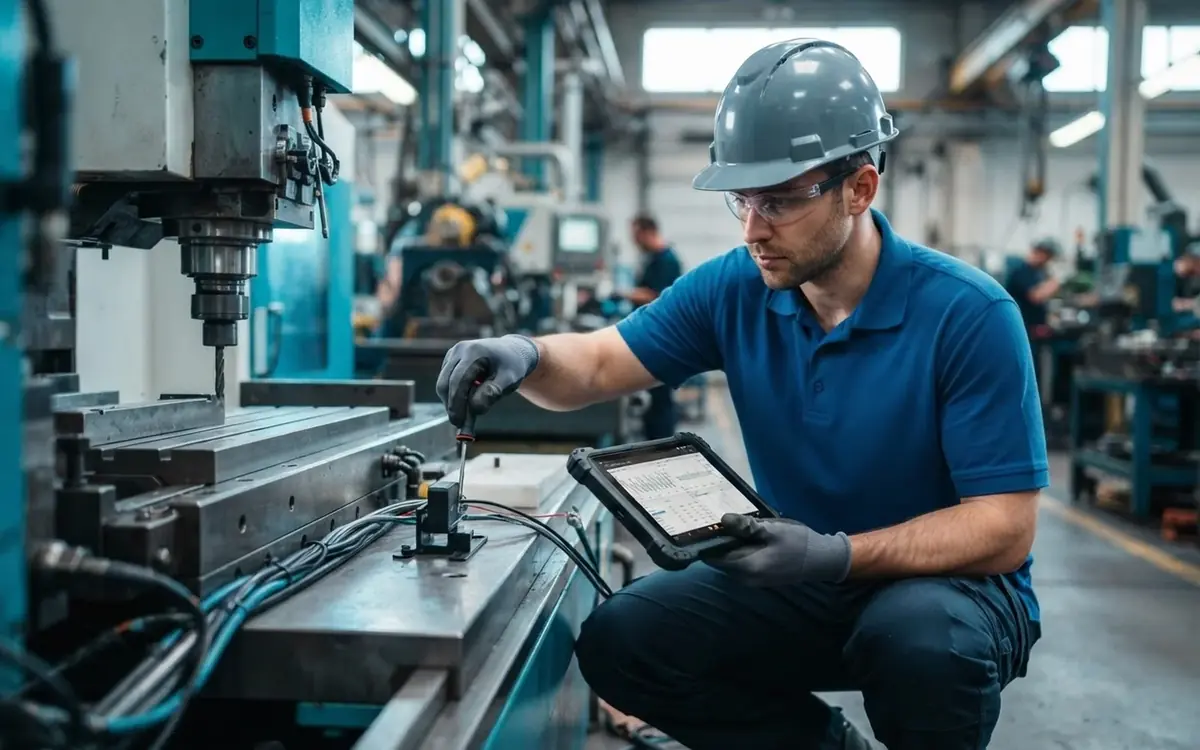
Energy software must respect the line between the operational network and everything else. We read from SCADA and historians over OPC UA or Modbus through a one-way path out of the control network, so dashboards and analytics see live tag data while nothing we build can write back to a controller. Inspection findings go straight into the maintenance system you already run as work orders against the existing asset hierarchy, rather than into a parallel register nobody reconciles. The offline-first apps keep a local database on the device, capture photos, readings and signatures with no signal, and resolve conflicts when two technicians have edited the same asset before syncing. Forms are built from your own inspection procedures and tolerances, so a reading outside limits is flagged on the device, not discovered in the office a week later.
Predictive maintenance built on your sensor history and failure records
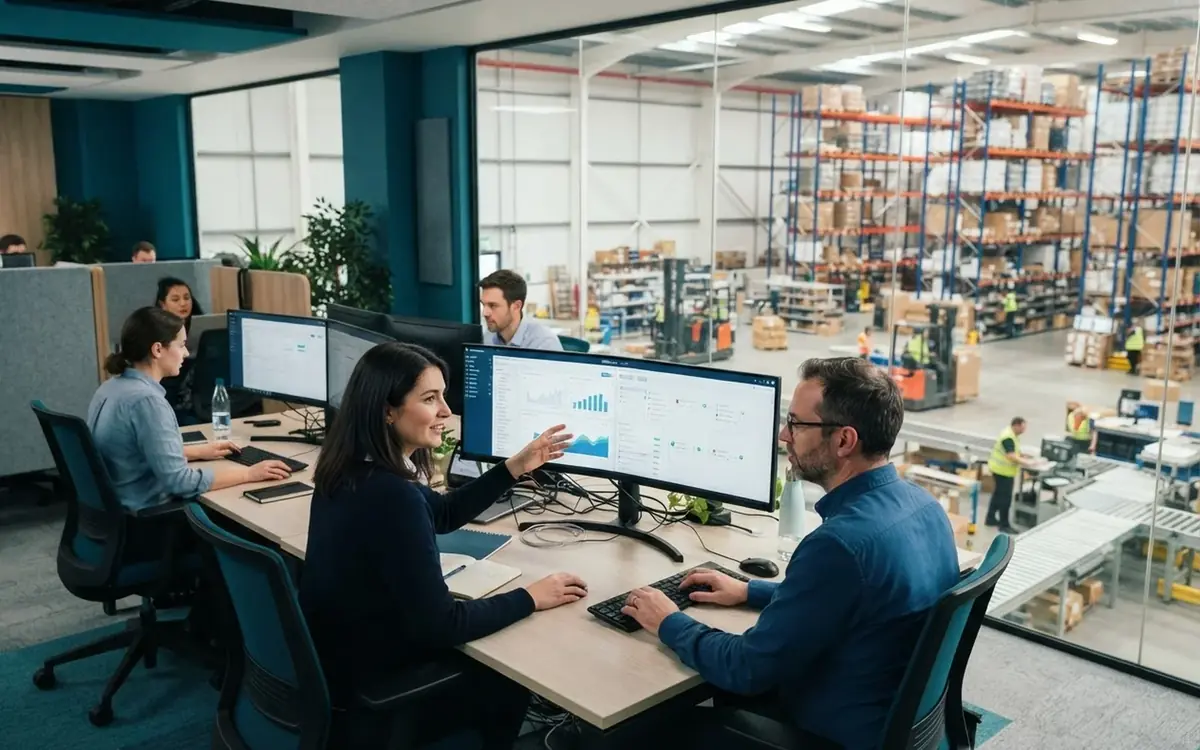
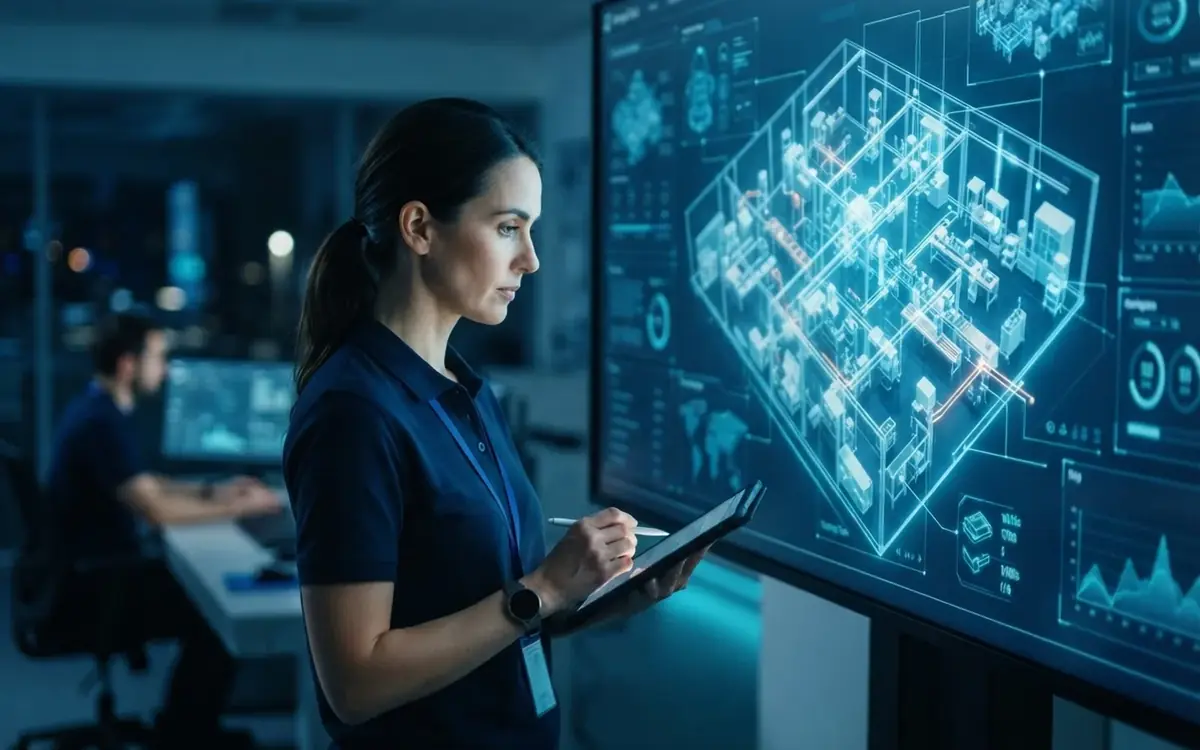
Predictive maintenance in energy is limited less by algorithms than by labels, because the failures you want to predict are rare and the maintenance log that records them was written for a different purpose. We align historian data with work orders and shutdown records in time, so each past failure has the sensor trace that preceded it, and begin with per-asset condition thresholds on vibration, temperature and pressure before any learned model is trusted. Models are validated on failures held out of training, and an alert is judged on lead time and on false alarms per asset per month, since a crew sent to a healthy pump stops believing the next alert. Every flag shows the signals behind it, so the reliability engineer decides what to schedule from one live view of assets, sensors and field data.
Vision inspection and safety monitoring that leaves auditable records
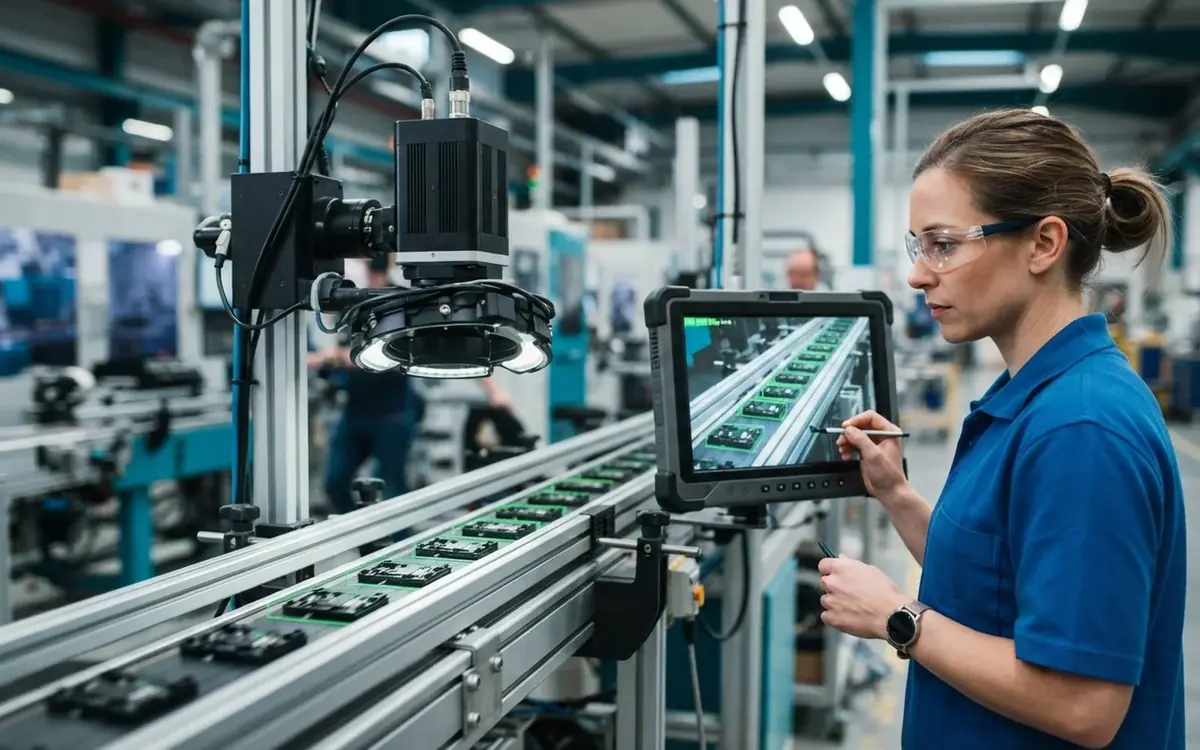
Vision at an energy site runs where the footage is, because a remote site rarely has the bandwidth to stream every camera. Models run on edge hardware on site, send back events and short clips rather than raw video, and keep working when the uplink drops. Corrosion and defect detection is trained on imagery of your own assets in your own glare, rain and dust, and drone surveys are processed the same way. PPE and restricted-zone checks are calibrated to your layout and your kit, since a helmet model trained on another colour scheme fails quietly. Each event is stored with timestamp, camera, frame and model version, and hashed so it cannot be edited later, which makes a detection usable in an HSE investigation. You keep a searchable visual record of every inspection and incident, and the models.